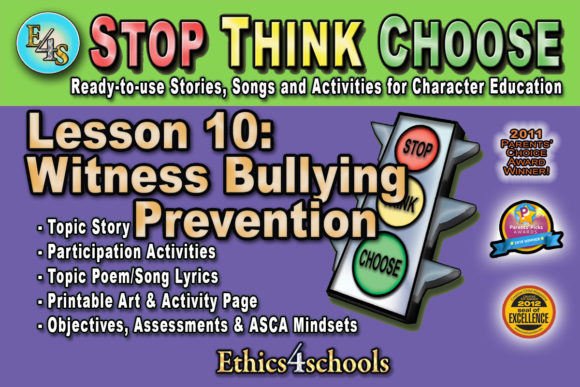
Evaluating Module 10: Witness Bully Prevention for Elementary Character Education
Creating a safe school environment requires more than just addressing the individuals directly involved in conflict; it demands active engagement from the entire student body. Module 10 - Witness Bully Prevention, part of the Ethics4school Stop Think Choose Character Education Book, offers a structured approach to empowering students aged two to ten. This module specifically targets bystanders, transforming them from passive observers into proactive allies. For educators, counselors, and parents evaluating character education resources, understanding the mechanics, benefits, and limitations of this specific module is essential for determining its fit within a broader anti-bullying strategy.
Understanding the Core Framework
The primary objective of Module 10 - Witness Bully Prevention is to model actionable steps for students who witness bullying. Unlike traditional disciplinary approaches that focus solely on punishment, this module emphasizes prevention through peer intervention. It utilizes a multi-modal learning strategy that includes storytelling, music, counseling talks, artistic expression, and assessment questions. By integrating these diverse methods, the program aims to reach children with varying learning styles and developmental stages.
The curriculum is grounded in the American School Counselor Association’s (ASCA) Mindsets and Behaviors Program Planning Tool. This alignment ensures that the content supports broader educational goals, such as fostering a sense of belonging, promoting safety, and developing social-emotional skills. The module does not merely define bullying; it provides a script for action, helping young children navigate the complex social dynamics of the playground and classroom.
Key Components and Methodologies
To effectively engage children between the ages of two and ten, the module employs several distinct instructional tools. Evaluators should consider how each component contributes to the overall learning outcome:
- Narrative Storytelling: The module uses relatable stories to illustrate bullying scenarios. These narratives help children identify bullying behaviors without feeling personally attacked, allowing them to analyze situations objectively.
- Musical Integration: Full-sing and karaoke songs, along with music videos, serve as mnemonic devices. Music helps reinforce key messages about standing up for others, making the lessons memorable and enjoyable for younger students.
- Counseling Talks: Structured discussions guide students through the emotional aspects of witnessing bullying. These talks provide a safe space for children to express fears or uncertainties about intervening.
- Art and Activities: Creative exercises allow students to process their feelings visually. Art-based activities can be particularly effective for children who struggle with verbal expression.
- Assessment Questions: Built-in evaluations help educators gauge comprehension and attitude shifts, ensuring that the message is being internalized rather than just heard.
Benefits of Implementing Witness-Focused Prevention
One of the most significant advantages of Module 10 - Witness Bully Prevention is its focus on the silent majority. In many bullying incidents, bystanders hold the power to stop the behavior through collective disapproval or support for the victim. By teaching specific actions, the module reduces the ambiguity that often paralyzes witnesses.
Furthermore, the alignment with ASCA objectives provides institutional credibility. Schools seeking to meet state or federal guidelines for social-emotional learning (SEL) will find that this module integrates seamlessly into existing counseling frameworks. The age range of two to ten is also notable, as it addresses bullying prevention at a foundational level, potentially reducing aggressive behaviors before they become entrenched patterns.
The use of multimedia elements, such as karaoke and video, increases engagement. For educators facing short attention spans, these tools offer a practical way to maintain interest while delivering serious content. The combination of fun and function helps destigmatize the conversation around bullying, making it a regular part of classroom culture rather than a reactive crisis management tool.
Tradeoffs and Considerations
While the module offers robust tools, there are tradeoffs to consider. The broad age range of two to ten years means that some content may need adaptation. A two-year-old’s understanding of "witnessing" differs vastly from that of a ten-year-old. Educators must be prepared to scaffold the lessons, simplifying concepts for preschoolers while adding depth for upper elementary students. Without proper differentiation, older children might find the songs too juvenile, while younger children might struggle with the abstract concepts in the counseling talks.
Additionally, the effectiveness of witness intervention relies heavily on school culture. If the broader school environment does not support reporting or if teachers do not consistently reinforce the module’s lessons, the impact may be limited. The module is a tool, not a standalone solution. It requires committed implementation and ongoing reinforcement by staff.
Another consideration is the time investment. Integrating stories, songs, art, and discussions requires dedicated class time. Schools with packed academic schedules may find it challenging to allocate sufficient time for comprehensive coverage of all module components.
Ideal Use Cases
Module 10 - Witness Bully Prevention is a strong fit for schools that prioritize proactive character education. It is particularly suitable for:
- Elementary Schools with Strong Counseling Programs: Institutions that already have established counseling services can easily integrate the ASCA-aligned content into their existing workflow.
- Schools Seeking Multimodal Resources: Educators looking for diverse teaching materials that go beyond textbooks will appreciate the inclusion of music, art, and digital media.
- Early Intervention Initiatives: Districts aiming to build a foundation of empathy and responsibility in early childhood education will find the lower age range beneficial.
The module is also valuable for parent-teacher associations looking for consistent messaging between home and school. The clear actions modeled in the stories can be shared with parents, encouraging them to reinforce similar values at home.
When to Consider Alternatives
Despite its strengths, this module may not be the best choice for every situation. Schools dealing with severe, systemic bullying issues may require more intensive interventions, such as restorative justice programs or professional behavioral therapy, alongside character education. If a school lacks the resources to implement the multimedia components effectively, the impact may be diminished.
Furthermore, if the primary goal is immediate disciplinary action rather than long-term cultural change, other frameworks focused on code-of-conduct enforcement might be more appropriate. This module is designed for prevention and skill-building, not for managing acute crises.
Making an Informed Decision
When evaluating Module 10 - Witness Bully Prevention, decision-makers should assess their current school climate and resource availability. Ask whether the staff is trained to facilitate sensitive discussions about bullying. Consider whether the student body would respond well to musical and artistic approaches. Review the ASCA Mindsets and Behaviors to ensure alignment with your district’s strategic goals.
Ultimately, the value of this module lies in its ability to empower students. By giving children concrete tools to act when they witness bullying, it fosters a sense of agency and community responsibility. For schools committed to holistic character development, this module offers a structured, engaging, and evidence-based pathway to a safer school environment. However, success depends on consistent application and integration into the broader educational ecosystem.