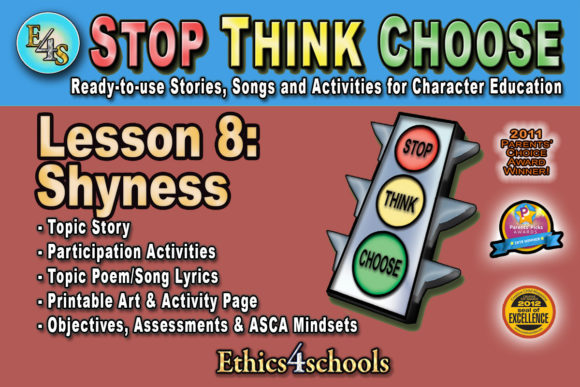
Evaluating Module 8 - Shyness: A Resource for Early Childhood Social Development
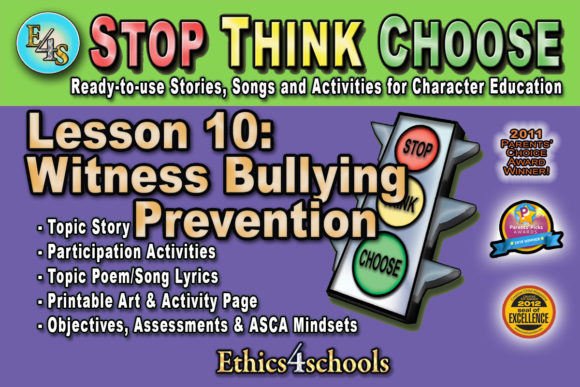
For educators, parents, and school counselors working with children aged two to ten, fostering healthy social interactions is a primary objective. Module 8 - Shyness from the Ethics4school Stop Think Choose Character Education Book offers a structured approach to this challenge. This module is designed not merely to label shy behavior but to provide actionable tools for overcoming social hesitation and building confidence in making new friends. By integrating storytelling, music, art, and assessment, the program aims to transform abstract social concepts into tangible skills for young learners.
Understanding the Core Components of the Module
The foundation of Module 8 lies in its multi-sensory approach to learning. Young children often struggle to articulate their feelings of anxiety or hesitation in social settings. To address this, the module utilizes a narrative framework centered around a relatable story. This story serves as a mirror for children who experience shyness, allowing them to see their own feelings reflected in a character’s journey. By observing how the protagonist navigates social situations, children can internalize coping strategies without feeling directly targeted or criticized.
Beyond the narrative, the module incorporates full-sing and karaoke songs. Music is a powerful tool for memory retention and emotional regulation. The inclusion of karaoke elements encourages participation in a low-pressure environment, helping children practice vocal expression and group engagement simultaneously. These musical activities are complemented by art projects that allow for non-verbal expression. For children who find verbal communication daunting, drawing or crafting provides an alternative outlet to process their emotions and share their perspectives with peers.
Alignment with Professional Standards
A significant advantage of Module 8 - Shyness is its alignment with established educational frameworks. The content is mapped to the American School Counselor Association’s (ASCA) objectives and the Mindsets and Behaviors Program Planning Tool. This alignment ensures that the activities are not just recreational but are grounded in evidence-based practices for student success. Specifically, the module addresses competencies related to social skills, self-confidence, and relationship-building.
For school counselors and administrators, this alignment simplifies the integration of the module into existing curricula. It provides a clear rationale for using these materials during guidance lessons or small group interventions. The ASCA standards emphasize the importance of helping students develop effective interpersonal skills, and Module 8 directly supports this by breaking down the complex process of making friends into manageable steps. This professional backing adds credibility to the resource, making it a viable option for schools seeking compliant and effective character education materials.
Benefits and Practical Applications
The primary benefit of this module is its practicality. It moves beyond theoretical discussions of shyness to offer concrete activities that can be implemented immediately. The assessment questions included in the module allow educators to gauge understanding and track progress. These assessments are not designed to grade children but to identify areas where additional support may be needed. For instance, if a child struggles to answer questions about how to initiate a conversation, the educator can focus more intensively on role-playing exercises.
Furthermore, the module promotes inclusivity. By normalizing shyness as a common experience rather than a defect, it reduces stigma. Children learn that it is acceptable to feel nervous and that there are strategies to manage those feelings. This shift in perspective can lead to long-term improvements in mental well-being and social competence. The diverse range of activities ensures that different learning styles are accommodated, whether a child learns best through listening, doing, or creating.
Considerations and Potential Tradeoffs
While Module 8 - Shyness offers robust resources, it is essential to consider its limitations. The target age range of two to ten years is broad, encompassing significant developmental differences. A two-year-old’s understanding of social dynamics differs vastly from that of a ten-year-old. Educators must carefully adapt the language and complexity of the activities to suit the specific age group they are teaching. Without proper differentiation, younger children may find the concepts too abstract, while older children might perceive the stories as juvenile.
Additionally, the effectiveness of the module relies heavily on the facilitator’s ability to create a safe and supportive environment. If the classroom culture is not already conducive to open discussion and mutual respect, the activities may not yield the desired results. Shy children are particularly sensitive to peer judgment; therefore, the implementation of karaoke or group sharing activities requires careful management to ensure no child feels exposed or mocked.
Another consideration is the time commitment. Implementing the full scope of the module, including stories, songs, art, and assessments, requires dedicated instructional time. Schools with tightly packed academic schedules may find it challenging to allocate sufficient time for comprehensive character education. In such cases, educators may need to prioritize certain components over others, potentially reducing the overall impact of the program.
When Is This Module a Strong Fit?
Module 8 - Shyness is an ideal choice for elementary schools and early childhood centers that prioritize social-emotional learning (SEL) as part of their core mission. It is particularly suitable for settings where there is a noted increase in social anxiety or difficulty among students in forming peer relationships. Schools that already utilize the Stop Think Choose framework will find seamless integration, as the module reinforces existing values and methodologies.
It is also a strong fit for school counselors looking for structured lesson plans that align with ASCA standards. The pre-packaged nature of the activities saves preparation time and ensures that lessons are professionally vetted. For parents homeschooling their children, the module provides a structured way to address social skills that might otherwise be overlooked in a home environment.
When to Consider Alternatives
However, there are scenarios where alternative resources may be more appropriate. If a child exhibits severe social anxiety that interferes significantly with daily functioning, a general classroom module may not be sufficient. In such cases, individualized therapy or specialized interventions led by mental health professionals are necessary. Module 8 is designed for typical developmental shyness, not clinical anxiety disorders.
Additionally, if a school already has a comprehensive SEL curriculum that covers similar topics in greater depth, adding this module might result in redundancy. Educators should audit their existing resources to ensure that Module 8 adds unique value rather than repeating content. For older students beyond the age of ten, more advanced programs focusing on complex social dynamics, digital citizenship, and peer pressure may be more relevant.
Making an Informed Decision
Choosing the right character education resource requires a clear understanding of your specific goals and the needs of your students. Module 8 - Shyness offers a well-rounded, standards-aligned approach to helping young children navigate social hesitation. Its strength lies in its engaging, multi-modal activities and professional grounding. However, successful implementation depends on thoughtful adaptation to age-appropriate levels and a supportive classroom environment.
Before adopting this module, evaluate your current social-emotional learning offerings. Identify gaps in how shyness and friendship skills are addressed. If you need a structured, ready-to-use resource that aligns with national counseling standards and engages young learners through story and song, Module 8 is a compelling option. By balancing its benefits against the need for careful facilitation and age-appropriate adjustments, educators can effectively use this tool to foster confident, socially competent children.