Customizing with the Number 5 Applique Embroidery Design: A Practical Guide for DIY Enthusiasts
When exploring machine embroidery projects, few elements offer as much versatility and personal significance as numeric designs. Among these, the Number 5 Applique stands out as a particularly functional and aesthetic choice for crafters. Unlike standard satin-stitch numbers that rely solely on thread density for visibility, an applique approach integrates fabric directly into the design structure. This method not only reduces stitch count but also introduces texture, pattern, and material contrast that thread alone cannot achieve. For adults aged 20 to 50 who are evaluating resources for home decor, personalized gifts, or small-batch product creation, understanding the nuances of this specific design format is essential for making informed decisions about their creative toolkit.
Understanding the Mechanics of Applique versus Standard Embroidery
To appreciate the value of the Number 5 Applique, it is helpful to first distinguish it from traditional fill or satin stitch embroidery. In standard digitizing, the number five would be created entirely through thousands of needle penetrations, building up layers of thread to form the shape. While durable, this method can result in stiff, heavy patches that may pucker delicate fabrics. Furthermore, complex patterns or gradients within the number are difficult to achieve with thread alone.
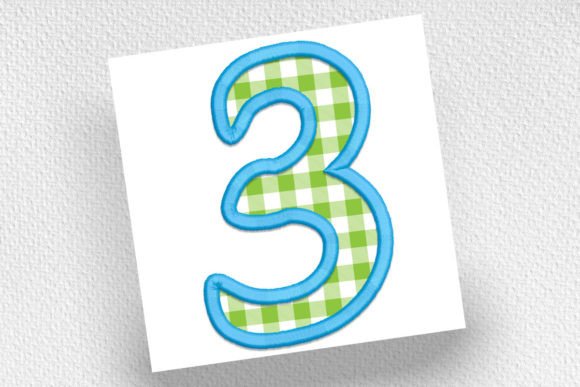
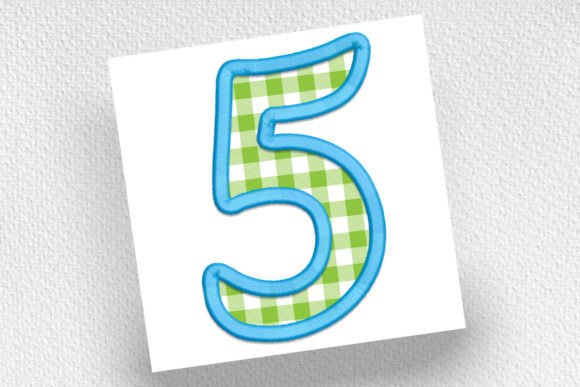
In contrast, the applique technique uses a "place-and-stitch" methodology. The machine typically stitches a placement line, pauses for the user to lay down a piece of fabric, and then secures it with a tack-down stitch before finishing with a decorative border. The Number 5 Applique Embroidery Design leverages this process to allow the crafter to select specific textiles—such as denim, floral cotton, leather, or felt—to form the body of the numeral. This distinction is critical for those comparing options because it shifts the creative burden from digital color selection to physical material curation.
Key Advantages of the Applique Approach
- Texture and Depth: By incorporating actual fabric, the design gains a tactile quality that flat embroidery lacks. This is particularly effective for home decor items like pillowcases or wall hangings where visual interest is paramount.
- Reduced Stitch Count: Since the fabric fills the majority of the shape, the machine performs fewer stitches. This leads to faster production times and less wear on both the needle and the base garment.
- Design Flexibility: Users can match the fabric of the number to existing patterns in a quilt or outfit, creating a cohesive look that is difficult to replicate with thread colors alone.
Evaluating Use Cases: When Is This Design the Right Fit?
Determining whether the Number 5 Applique is the appropriate choice for your project requires analyzing the end use of the item. This design excels in scenarios where personalization and durability intersect. For instance, sports jerseys often require bold, visible numbering that can withstand frequent washing and physical activity. An applique number, especially when reinforced with proper stabilizers, offers a robust solution that maintains its shape better than high-density satin stitches over time.
Similarly, for DIY lovers creating nursery decor or birthday banners, the ability to swap fabrics allows for theme-specific customization without purchasing multiple digital files. A single Number 5 Applique file can yield a rustic look with burlap, a playful vibe with polka-dot cotton, or a sophisticated aesthetic with velvet. This adaptability makes it a cost-effective resource for those who produce customized items regularly.
However, there are limitations to consider. Applique designs require more manual intervention during the embroidery process. The machine must pause, and the operator must carefully position the fabric. For individuals seeking fully automated, hands-off production runs, this tradeoff might make standard embroidered numbers a more suitable alternative. Additionally, applique edges can fray if not properly finished or if low-quality fabrics are used, necessitating attention to detail during the hooping and trimming phases.
Comparing File Formats and Machine Compatibility
One of the practical considerations when acquiring a Number 5 Applique Embroidery Design is ensuring compatibility with your specific hardware. Unlike vector graphics used in graphic design, embroidery files are proprietary to various machine brands. A comprehensive design package should include multiple formats such as PES, DST, JEF, VIP, and EXP. This variety ensures that whether you own a Brother, Janome, Bernina, or Husqvarna Viking machine, the design can be read and executed correctly.
When evaluating different providers or resources, check if the design includes resizeable versions. Applique designs are sensitive to scaling; shrinking them too much can make the placement lines difficult to see and the fabric pieces hard to handle, while enlarging them excessively may require re-digitizing to maintain stitch integrity. A well-prepared Number 5 Applique file will often come in several preset sizes, offering a balance between convenience and technical precision.
Material Selection Strategies for Optimal Results
The success of an applique project hinges largely on fabric choice. Not all materials behave the same way under the needle. Here are some practical comparisons to guide your selection:
- Cotton Quilting Fabric: Ideal for beginners. It is stable, easy to cut, and frays minimally. It works well for clothing and light home decor.
- Felt: Excellent for applique because it does not fray. It provides a clean edge without the need for extensive zigzag stitching, making it perfect for crisp, modern looks.
- Denim or Canvas: These heavier materials add significant texture and durability but may require stronger needles and adjusted tension settings. They are best suited for bags, jackets, and outdoor gear.
- Satin or Silk: While visually striking, these slippery fabrics can be challenging to position accurately. They are best reserved for experienced embroiderers working on high-end accessories.
Decision Factors: Weighing Creativity Against Convenience
Ultimately, choosing the Number 5 Applique design is a decision between maximizing creative control and minimizing production effort. If your goal is to create unique, one-of-a-kind items where the material story is as important as the shape, this design is superior. It allows you to repurpose scrap fabrics, coordinate with specific interior design palettes, and add a professional, boutique-quality finish to your work.
Conversely, if you are producing high-volume items where consistency and speed are the primary metrics, standard embroidered numbers might be more efficient. They eliminate the variable of fabric placement and reduce the risk of human error during the stitching pause. However, for most hobbyists and small business owners targeting the personalized gift market, the added value of applique justifies the extra step.
It is also worth noting that this design serves as an excellent entry point for those new to applique. The number five has a relatively simple geometric structure with clear curves and straight lines, making it easier to align fabric pieces compared to more complex shapes or letters with tight inner corners. This simplicity reduces the learning curve, allowing users to build confidence in their applique techniques before tackling more intricate designs.
Final Thoughts on Integrating Applique into Your Workflow
Incorporating the Number 5 Applique Embroidery Design into your repertoire expands your creative possibilities significantly. It bridges the gap between digital precision and tactile artistry, offering a versatile tool for various applications. By understanding the mechanical differences, assessing the suitability for your specific projects, and selecting appropriate materials, you can leverage this design to create items that stand out in a crowded market. Whether you are embellishing a child’s backpack, customizing team uniforms, or adding a personal touch to home textiles, this approach offers a balanced blend of aesthetic appeal and practical functionality. As with any craft technique, mastery comes with practice, but the foundational benefits of applique make it a worthwhile investment of time and resources for any serious embroidery enthusiast.